
Learn how to choose a nappy rash cream, what to look for, and how it supports daily baby skin care.
A Practical Guide to Choosing Nappy Rash Cream
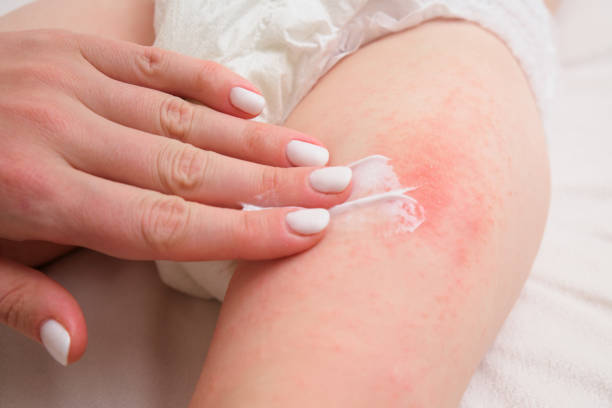
Caring for a baby’s skin requires attention, consistency, and the right products. One common concern for parents is diaper irritation, which can appear as redness, discomfort, or inflamed skin in the diaper area.
In these situations, many parents start to include nappy rash cream as part of their regular baby care routine. Understanding how these creams work and what to consider before choosing one can help parents pick the most suitable cream for their beloved baby.
What Causes Nappy Rash
Nappy rash often develops when a baby’s skin is exposed to moisture, friction, or prolonged contact with urine and stool. Since infant skin is delicate, even minor irritation can become noticeable quite quickly.
Warm and damp conditions inside a diaper can also make the skin more vulnerable, especially if diapers are not changed promptly or if the skin is already sensitive. Although nappy rash is common, it can vary in severity. Some cases involve mild redness, while others may look more irritated and uncomfortable.
Recognising these early signs allows parents to respond sooner and support the skin before the problem worsens.
How a Cream Supports Skin Protection
A nappy rash cream is generally used to protect the skin by creating a barrier between the skin and external irritants. This barrier may help reduce direct contact with moisture and friction, which are common triggers of irritation. Many products are also formulated to soothe the skin and support its natural recovery process.
When parents use a cream consistently as part of diaper changes, it can help maintain a cleaner and more protected skin surface. However, the product should be suitable for a baby’s age, skin condition, and daily care needs. Choosing the right texture and formulation can make routine application easier and more comfortable for both parent and child.
What to Look for When Choosing a Product
When selecting, it is useful to review the ingredient list and general formulation. Parents often prefer products that are made for sensitive skin and free from unnecessary additives. A product with a smooth texture can also be easier to apply evenly without pulling on delicate skin.
It is also helpful to consider whether the cream is intended for everyday protection or occasional use during periods of irritation. Some parents may want a product that fits easily into daily diaper-changing routines, while others may focus on short-term skin support. Reading product guidance carefully can provide a better sense of how the cream should be used.
Parents who want to learn more about choosing a suitable nappy rash cream can review educational resources that explain key considerations in a practical way.
Daily Habits That Help Prevent Irritation
Using nappy rash cream is only one part of caring for the diaper area. Frequent diaper changes, gentle cleansing, and allowing the skin to dry properly also play important roles. These habits help reduce moisture buildup and limit the chance of prolonged irritation.
Diapers should be changed regularly, especially after bowel movements, and the skin should be cleaned with care. Rubbing too firmly may increase discomfort, so a gentle approach is usually best. In some cases, allowing short periods of diaper-free time can also help keep the area dry and comfortable.
Conclusion
Choosing a nappy rash cream involves more than picking any product from the shelf. Parents benefit from understanding the causes of diaper irritation, the role of protective creams, and the daily habits that support healthier skin.
With careful selection and consistent care, a nappy rash cream can become a useful part of an infant skin care routine while helping parents manage a very common concern in a practical and informed way.